
The Great Migration is one of Africa’s most spectacular wildlife experiences, with millions of wildebeest, zebras and gazelles moving across the Serengeti ecosystem in search of fresh grazing and water.
But one of the biggest questions travellers ask is: When is the best time to visit the Serengeti for the Great Migration?
The answer depends on what you want to see.
Some travellers want to witness the dramatic Mara River crossings, while others prefer the calving season, large herds on the plains, predator action or quieter safari conditions.
In this guide, we explain what happens throughout the year and help you choose the best time for your 2026 or 2027 Tanzania safari.
What Is the Great Migration?
The Great Migration is an annual movement of wildebeest, zebras and other herbivores through the Serengeti ecosystem of Tanzania and Kenya.
Rather than being a single event, the migration is a year-round natural cycle influenced by rainfall, fresh grass, water availability and the movement of the herds.
The migration generally moves between the southern Serengeti and northern Serengeti before crossing into Kenya's Maasai Mara and eventually returning south.
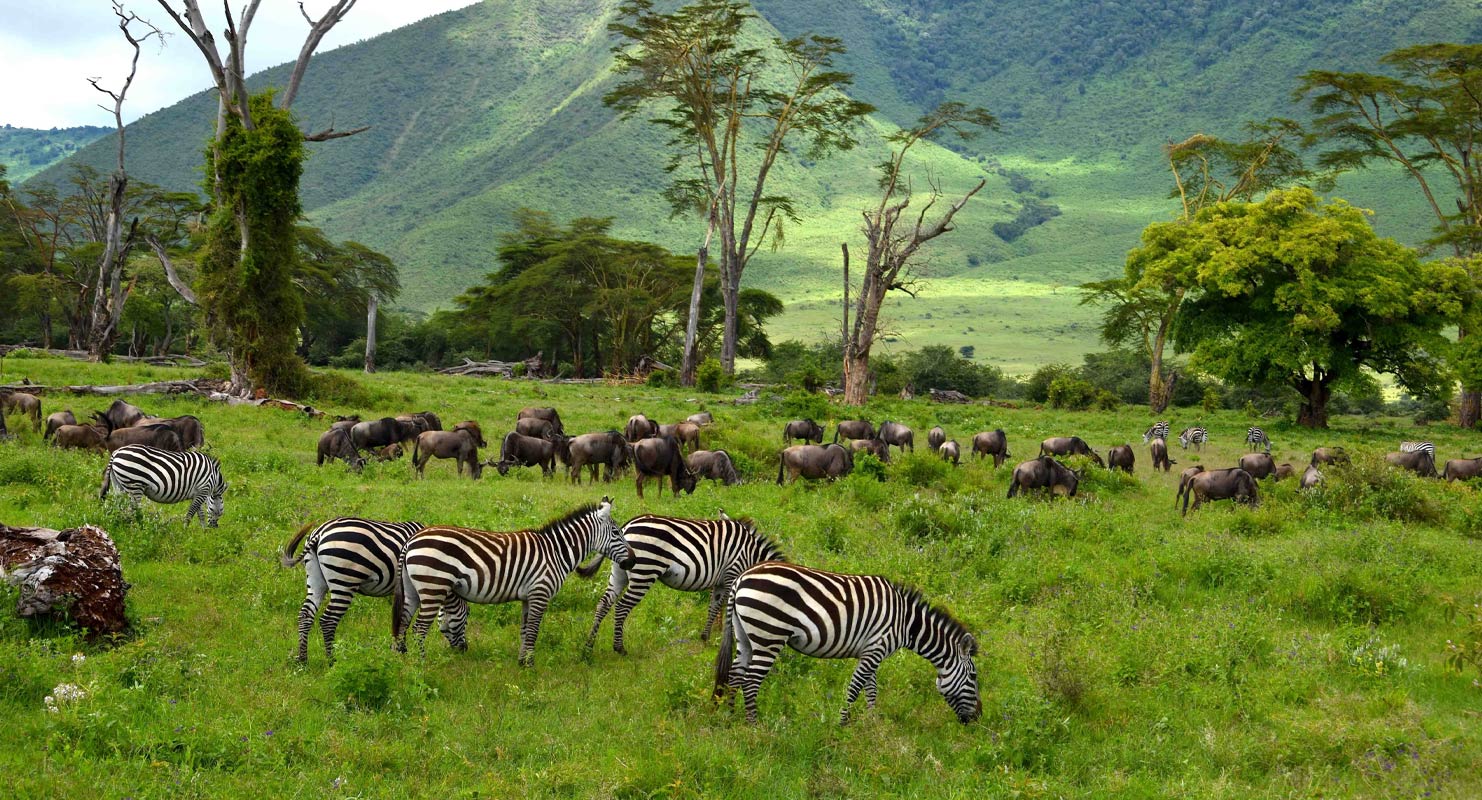
January to March: Calving Season
For travellers interested in newborn animals and predator activity, January to March is one of the most exciting periods of the migration.
The herds gather around the southern Serengeti and Ndutu area, where fresh grass provides an important food source.
During this period, travellers may see:
- Large concentrations of wildebeest
- Newborn calves
- Zebras and gazelles
- Lions and other predators
- Dramatic predator-prey interactions
- Beautiful green landscapes
Best for: Wildlife photographers, families, first-time safari travellers and visitors interested in the circle of life.
April to May: The Migration Moves North
As the dry season approaches, the herds gradually begin moving northward.
April and May can be wetter, making them less predictable for travellers, but the landscape can be beautifully green and safari areas may be quieter.
Best for: Travellers looking for fewer crowds and greener scenery.
June: Western Corridor
Around June, parts of the migration may move through the Western Corridor of the Serengeti.
This period can provide excellent wildlife viewing, especially as the herds continue their journey north.
The exact timing varies according to rainfall and grazing conditions.
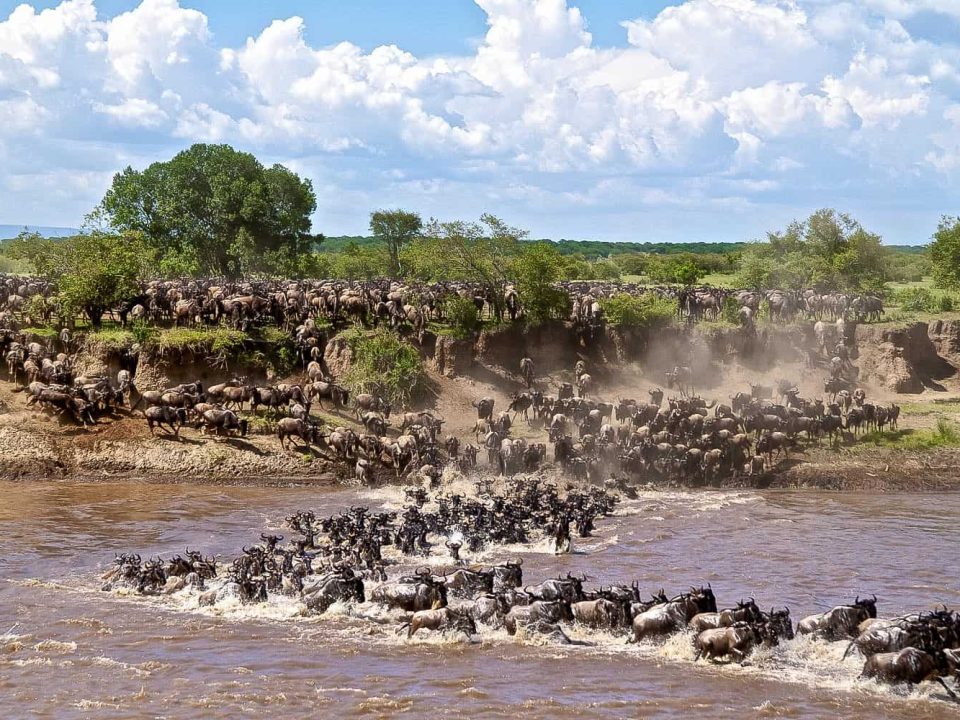
July to September: Mara River & Northern Serengeti
For many travellers, this is the most famous period of the Great Migration.
The herds reach northern Serengeti and may attempt crossings of rivers, including the Mara River.
Is July the Best Month for the Great Migration?
July can be an excellent month, but river crossings are not guaranteed.
Some herds may still be moving toward the northern Serengeti, while others may already be crossing.
Travellers should avoid booking a safari based on the assumption that a river crossing will happen on a specific day.
Is August the Best Month?
August is one of the strongest months for travellers hoping to see the northern migration and potential Mara River crossings.
However, it is also a popular travel period, meaning demand for camps, lodges and safari vehicles can be high.
What About September?
September can continue to offer excellent migration viewing in northern Serengeti.
Some herds may remain around the Mara River area while others begin moving south.
For travellers wanting a balance between migration viewing and potentially fewer visitors than peak August, September can be an attractive option.
October to December: The Journey South
After spending time in the north, the herds gradually begin moving south.
The short rains can produce fresh grazing areas, encouraging the migration back toward the central and southern Serengeti.
By December, the herds are increasingly concentrated toward the southern Serengeti and the cycle begins again.
Best Time to See the Great Migration in 2026
For 2026, travellers should consider:
January–March: Best for calving season
June–July: Migration moving toward northern Serengeti
August–September: Strong period for northern migration and potential river crossings
October–December: Herds moving south
If your primary goal is the Mara River crossing, plan around July to September, while understanding that nature does not operate according to a fixed timetable.
Best Time to See the Great Migration in 2027
The same general seasonal pattern is expected in 2027, but the exact location of the herds will depend heavily on rainfall and grazing conditions.
For a 2027 trip, it is better to choose your travel period based on the experience you want, rather than relying on a guaranteed migration date.
Great Migration vs Calving Season: Which Should You Choose?
If you are deciding between the famous river-crossing season and calving season, consider this:
Choose January–March if you want:
- Calving season
- Large herds
- Predator activity
- Green landscapes
- Fewer peak-season crowds
Choose July–September if you want:
- Northern Serengeti
- Large migrating herds
- Potential Mara River crossings
- Classic Great Migration photography
How Long Should You Spend on a Great Migration Safari?
For a migration-focused safari, 4–7 days in the Serengeti can give you more flexibility than a very short visit.
A longer stay increases your opportunity to experience changing wildlife activity and follow the herds rather than rushing from one location to another.
A broader Tanzania itinerary can also combine:
- Serengeti
- Ngorongoro Crater
- Tarangire
- Lake Manyara
- Zanzibar
Where Should You Stay for the Great Migration?
Your accommodation should match the location of the herds.
Options include:
Southern Serengeti: Excellent for calving season.
Central Serengeti: A useful base for combining migration viewing with other wildlife experiences.
Northern Serengeti: Particularly important during the northern migration and potential Mara River crossings.
Mobile camps can also be valuable because they can follow seasonal wildlife movements.
How to Plan Your Great Migration Safari
When planning your safari, consider:
- Choose your preferred migration experience
- Select the right travel month
- Choose a safari area close to the expected herd movement
- Book accommodation early during peak periods
- Allow several days for wildlife viewing
- Work with an experienced local safari operator
- Remain flexible because wildlife movement is unpredictable
Why Book a Great Migration Safari With a Local African Operator?
Local operators can provide valuable knowledge of seasonal conditions, wildlife movements, accommodation options and logistics.
For international travel agencies and travellers, working with reputable African tour operators and DMCs can also make itinerary planning easier.
This is where platforms such as Africa Tourism Exchange (ATX) can connect buyers with tourism suppliers across Africa.
Frequently Asked Questions
What is the best month to see the Great Migration?
There is no single guaranteed best month. July to September is popular for the northern migration and potential Mara River crossings, while January to March is excellent for calving season.
Can I guarantee seeing a Mara River crossing?
No. River crossings are natural events and cannot be guaranteed on a particular date. Herd movement depends on environmental conditions and the behaviour of the animals.
Is the Great Migration worth visiting in 2026 or 2027?
Absolutely. Both years offer opportunities to experience different stages of the annual migration, but travellers should plan around the type of experience they want rather than a fixed migration schedule.
Final Thoughts
The Great Migration is not a single event that happens on one particular day. It is a continuous natural journey across the Serengeti ecosystem.
Whether you dream of seeing newborn wildebeest in the southern Serengeti, following huge herds across the plains or witnessing a potential Mara River crossing in northern Serengeti, choosing the right season can make a major difference to your safari experience.
For 2026 and 2027, the best strategy is to match your travel dates with the experience you want most—and leave room for nature to surprise you.



